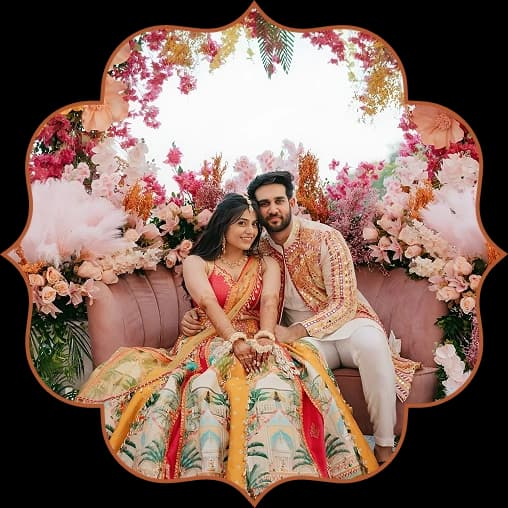
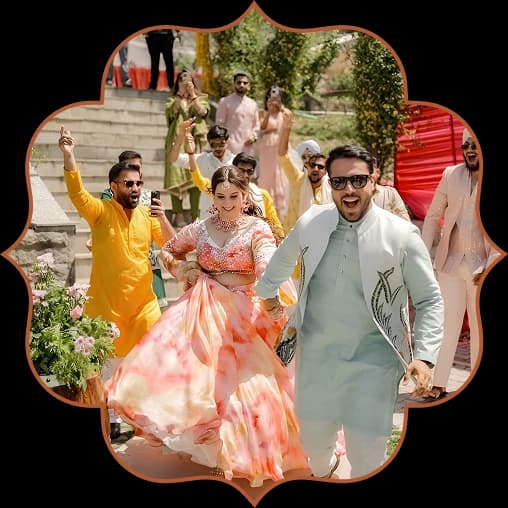
Dreaming of saying “I do” on a beach in Goa, or against the backdrop of a Rajasthan fort — but not sure where to even start?
Getting there is a bigger job than the photos let on. There’s guest travel to coordinate, room blocks to manage, vendors scattered across a city you probably don’t live in, and usually a handful of smaller functions stacked around the main event. Sometimes all within the same week.
Most of that stress is unnecessary. You just need to get moving and have a rough idea of who you want to be and when. This month-by-month destination wedding planning guide for all those headed to Udaipur, Goa, Jaisalmer, Kerala or the like, will walk you through every stage of the destination wedding planning timeline, helping you plan with confidence from your first booking to the wedding day.
When Should You Start Planning a Destination Wedding?
The ideal destination wedding planning timeline begins nine to 12 months in advance for most couples. That buys you enough time to secure a venue before it’s snapped up, to hire the vendors you really want to finalize your guest list, and to give people time to make travel arrangements. Trying to plan around peak season? Having more guests? Think twelve.
Here’s a practical destination wedding planning month by month schedule to help you stay on track:
| Timeline | Main Focus |
| 12 Months Before | • Set the wedding budget • Choose the destination • Hire a wedding planner • Book the venue |
| 10–11 Months Before | • Book the photographer • Finalize the caterer • Hire decorators • Secure entertainment and music vendors |
| 8–9 Months Before | • Send save-the-date notices • Share travel details with guests • Create the guest communication plan |
| 6–7 Months Before | • Finalize the wedding theme and décor • Plan transportation arrangements • Coordinate event logistics |
| 4–5 Months Before | • Track RSVPs • Confirm guest attendance • Arrange accommodations for guests |
| 2–3 Months Before | • Reconfirm all vendors • Finalize the wedding-day schedule • Review contracts and requirements |
| 1 Month Before | • Review all wedding arrangements • Finalize seating charts • Prepare backup and contingency plans |
| Wedding Week | • Coordinate vendor arrivals • Oversee event setup • Manage wedding-day execution |
Why does the extra lead time matter?
Well-known wedding venues in Goa and Udaipur for weddings are booked a year in advance in the peak season. Wait too long and you will be picking from what’s left over, not what you actually wanted. Photographers and decorators are no different. The good ones fill their calendars early. Anything booked last-minute comes with a premium attached to it.
Guests need more time than people usually plan for, too. Flights, leave requests, hotel bookings — the clock on all of that starts the day you send a save-the-date. Not before. This early preparation forms the foundation of a successful destination wedding planning process and helps secure everything you need.
12 Months Out: The Foundational Decisions
The first stage of your 12 month destination wedding planning timeline is where the biggest decisions are made. Everything else hangs off what gets decided in this first stretch.
If you’re wondering how to plan a destination wedding, this is where every major decision begins. Start with the budget. It quietly shapes every decision that follows, so figure it out before you fall for a venue you can’t afford. After that, pick your type of destination — beach, palace, hill station — before you get attached to one specific property. If you can bring a planner now, do it. Someone with existing vendor relationships in Goa or Udaipur will save you months of guesswork later. Once you’ve narrowed things down, shortlist and book the venue; the best ones in popular spots go a year or more ahead. Get a rough guest count together too, even if it’s not final. It feeds into room blocks, catering, pretty much everything.
An experienced destination wedding planner this early is one of the smarter moves you can make. They tend to know which venues actually deliver, and which ones just photograph well.
10–11 Months: Locking In Vendors
Venue and planner settled? Good. Attention turns to your destination wedding vendors who’ll actually shape how the day looks and feels.
Get your photographer and videographer booked. The good ones often fill up before peak season even starts. Your décor partner needs finalizing too, since many need lead time just to source and ship materials to the venue. Have a specific band, singer, or DJ in mind? Their calendars go fast, so lock them in now. This is also a good point to reserve your room inventory, which keeps guests from getting hit with price hikes later, and to pin down exact dates for every function, not just the main ceremony.
8–9 Months: This Is When It Gets Real
For your guests, the wedding usually stops feeling abstract right around now. It starts being something they need to plan around.
Wondering when should you send destination wedding invitations? Save the Dates usually go out 8–9 months before the celebration. Guests need this much notice to book flights and request leave. Releasing your wedding website at the same time is helpful, as RSVPs and travel info are all in one place instead of you answering the same five questions 50 times. Provide them with some basic travel info. Custom or decorated clothing takes hours to make. If you have yet to do the shopping, now’s the time. Schedule the pre-wedding shoot for whatever clothing and travel dates you know.
6–7 Months: Design and the Finer Details
Finish the mood board so your decorator, florist, and photographer are all working from the same visual cue. Confirm the menu with your caterer – including any regional specialities you want to include. It is also where you decide guest experience touches — welcome baskets, organized activities, maybe an audio guestbook. Minor things, but often these are the things that people recall later. Official invitations usually go out about two months after the save-the-dates, so expect to get this in around then.
Where your vendors should stand by now:
| Vendor | Booked? |
| Venue | ✔ |
| Planner | ✔ |
| Photographer | ✔ |
| Decorator | ✔ |
| Entertainment | ✔ |
| Makeup Artist | ✔ |
4–5 Months: From Broad Strokes to Exact Numbers
Planning gets sharper here. That rough guest estimate from month twelve needs to turn into a real number. Book transportation — shuttles or group transfers between airport, hotel, and venue — and finalize accommodation once you know how many people are actually coming. Wedding stationery needs to go into production around now: menus, programs, signage, all of it. Start mapping the hour-by-hour timeline too. Haven’t sent invitations yet? This is close to the last reasonable window.
This stage also becomes an important part of your overall destination wedding checklist, ensuring everything is finalized before the final weeks.
2–3 Months: Tightening Everything
You’re about to have the major decisions under your belt. Now all you’ve got to do is catch anything that fell through the cracks. Sit down with vendors for final meetings and walk through every detail, while there’s still time to plug gaps. Definitely worth having a run through, so the wedding party actually knows what they’re doing. This phase of the destination wedding planning timeline India is all about confirming details and avoiding last-minute surprises.
One Month Out: Tying Off Loose Ends
Reconfirm every vendor booking in writing. No exceptions. Clear whatever payments are still outstanding so nothing’s pending on the day itself. Put together a packing checklist for outfits, documents, emergency essentials, and share an emergency contact sheet with your wedding party. Send guests the final logistics and schedule. Your hour-by-hour timeline should be set and shared with everyone by this point — nobody should be guessing on the actual day. Following your destination wedding planning timeline during this final month helps ensure everything runs smoothly.
Wedding Week: Just Execution Now
Once you’re there, there’s not a whole lot left to decide. Just to run. Welcome your guests as they come in and ensure that the check-in is moving along without problems. Take one last walk-through with your planner, one last rehearsal with your entire wedding party and then you can breathe easy. The work’s done. At this point, your destination wedding day timeline must be well decided and distributed to every vendor and every member of your wedding party.
Mistakes That Trip Up Even Organized Couples
Here are the mistakes that trip up even organized couples:
- Waiting too long to book the venue — the good ones vanish fast in peak season
- Treating guest logistics as an afterthought when they deserve as much attention as décor
- Booking vendors on a handshake instead of a contract, leaving no recourse if things fall through
- Underestimating travel time between locations — traffic and transfers add up
- Not considering weather backup plan for outdoor ceremonies, particularly dangerous during monsoon season
- Trying to manage everything solo instead of delegating or hiring help
Following a structured destination wedding planning timeline helps avoid most of these issues before they become expensive last-minute problems.
Splitting Responsibilities
| Task | Couple | Planner | Family |
| Set and manage the wedding budget | ✔ | ||
| Book the destination wedding venue | ✔ | ✔ | |
| Manage guest logistics | ✔ | ✔ | |
| Coordinate destination wedding vendors | ✔ | ||
| Handle travel arrangements | ✔ | ✔ | |
| Manage the wedding day | ✔ | ✔ |
A Condensed Checklist
Use this destination wedding planning checklist to make sure every important task is completed before your big day.
| Stage | Key Tasks |
| Before Booking Anything |
|
| Before Invitations Go Out |
|
| Before Wedding Week |
|
For a more detailed planning resource, explore our Wedding planning checklist.
A Few Things Experienced Planners Actually Do
Some of the most valuable destination wedding planning tips experienced planners use to keep celebrations running smoothly:
Build in one buffer day before the first function so delays don’t cascade into everything after. A single master itinerary shared with every vendor helps too; conflicting versions cause more chaos than almost anything else on the day. Make sure to have a weather backup plan if outdoors activities are planned. AIt also makes sense to designate one family member to handle guest inquiries, so you’re not getting the same question five times. And don’t over-schedule the day itself. Leave room for whatever you didn’t plan for.
Last Thought
Following a realistic destination wedding timeline is what separates a relaxed wedding week from one filled with unnecessary stress. A destination wedding isn’t really more complicated than a wedding at home. There’s just more of it — spread across more months, with more people’s flights and hotel rooms to think about. Compress that into six weeks and things start slipping through the cracks. Give it the runway it needs and most of that stress just doesn’t happen.
Apparently, divorced couples who say they enjoyed their wedding week all have a few things in common. The venue was booked early. Brought a planner in before it was too late instead of after. They made the logistics of their guests a real priority, not an afterthought, because flights and hotel blocks take longer to coordinate than anyone expects going in. But to plan your wedding, you have to hire the top destination wedding planners in India. And that’s where Destination Wedding Bharat makes the difference. We do all the destination wedding planning for Indian couples – serve as an on-the-ground project manager, logistics, vendor negotiations and navigate local regulations so you don’t have to worry about planning from a distance.
FAQs
Q1 . Is 9 months enough to plan a destination wedding in India?
For many couples, yes. If you’re wondering how long does it take to plan a destination wedding, most people who marry during peak season or have a large guest list give 10–12 months more room to work with venues and vendors.
Q2 . What to book first for a destination wedding?
Destination, destination wedding venue, and planner, roughly in that order. These three decisions shape almost everything that follows — dates, vendor availability, guest logistics.
Q3 . When should we send Save the Dates?
8–9 months out. Guests need that much notice to arrange travel and take leave from work.
Q4 . When should we book our photographer and videographer?
Follow a structured destination wedding timeline and book your photographer and videographer as soon as the venue and dates are confirmed — typically 8–10 months out. Good photographers book up well ahead of peak season.
Q5 . Do we need a planner if the venue already has an event coordinator?
Usually, yes. A venue coordinator handles what happens on-site. Professional Wedding planners handle everything else — vendors, guest logistics, budgets, transportation, the full picture.
Q6 . What’s the biggest mistake couples make?
Waiting too long on the venue, and assuming guest logistics will sort themselves out. They won’t — transportation and accommodation need as much planning as décor does. Following a well-planned destination wedding planning timeline helps avoid these common mistakes by keeping every milestone on schedule.
Q7 . How far in advance should you book a destination wedding venue?
10–12 months minimum for anywhere popular in Goa, Udaipur, or Jaisalmer during peak season.
Q8 . How long does the whole process usually take?
Somewhere between 9 and 14 months for most couples, depending on guest count, destination, and how quickly vendors respond. A realistic destination wedding planning timeline ensures you have enough time to secure your preferred venue and vendors without unnecessary stress.
Q9 . Should every detail be planned before we arrive?
The major decisions, yes. But leave room for small on-site adjustments — weather, local logistics, and vendor input sometimes call for last-minute tweaks. But keep in mind that your destination wedding day timeline should already be finalized before you arrive at the venue.
Q10 . How do we keep the final week from being stressful?
Following a clear destination wedding timeline and sticking to that, without adding things to the timeline at the last minute is the best way to keep stress levels down. Complete decisions whenever possible across the board, at least two weeks in advance of any events. One master itinerary, clear delegation to family or your planner, and resist the urge to introduce new ideas at the last minute.