
What happens once the wedding lights fade and the bride takes a step forward into a whole new chapter of her life? Does she simply move forward — or does tradition gently bring her back home once more? This is where Pag Phera Rasam comes in. The bride’s first visit to her parental home after the wedding is celebrated with this ritual, rich in symbolism, feelings and unassuming comfort.
Why is this homecoming so important? What does it represent for the bride and her family? And how are modern couples reimagining this beautiful custom today? Let’s uncover the meaning, rituals, and evolving charm behind Pag Phera.
The Significance of Pag Phera Rasam
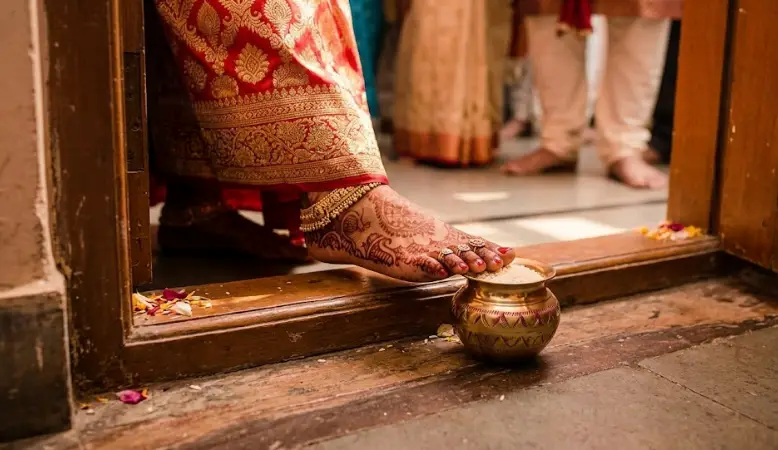
Indian weddings aren’t just about big parties or flashy decorations. They’re full of real emotion and traditions that actually mean something. Take the Pag Phera Ceremony, for example—it’s this warm reminder that starting a new chapter doesn’t mean forgetting where you came from. In all the excitement and noise, this tradition gives people a sense of comfort and helps keep things grounded.
Why Do These Rituals Matter?
- Guide the emotions of transition: Each ritual helps the bride and her family to pause and practice the predictable emotional transition from one stage of life to another with comfort.
- Maintain a Link with the Past: Marriage is not breaking old ties, but it is carrying your own roots forward in a new way.
- Rituals in Transition: So often when we are in the process of celebrating and/or coping, the rituals give comfort and emotional safety.
- Family unity: Traditions such as the Pag Phera Ceremony are an affirmation that both families continue to hold equal significance in the life of the bride.
- Encourage reflection: All these traditions are an occasion everyone can stop, breathe, and revel in the sensations of the day.
Hindu Wedding Rituals
Hindu wedding ceremonies are laden with spiritual significance. It’s also symbolic even in the most basic traditions. Even the most basic rituals have profound significance. Pag Phera has a deep emotional and spiritual comfort.
Spiritual & Symbolic Meaning:
- Time of the ceremony: It is usually done within a certain number of days after marriage, so that the bride makes a gentle rather than sudden transition into her new life.
- Receiving ritual: The bride and groom are always the lucky charms, along with aarti, tilak or garlands of protection, riches and good starts.
- Best wishes and a present: The gifts of the parents are considered to be thoughtful wishes, and not just a material gift, for plenty, peace and permanence in married life.
- Bride coming back with husband: It is a symbol of oneness, wherein the parent’s daughter is taken back by the son-in-law, who also becomes part of her parental family.
Pag Phera may be quiet, but its spiritual reassurance echoes deeply.
Post-Wedding Rituals
The wedding party is a blast, but nobody really tells you about the strange combination of emotions that you feel when it’s all over. That’s where old rituals like Pag Phera come in — they take the edge off.
Immediately, everything feels new. New faces, new rules, new place to call home — it’s all a bit much. You have to have real grit to find your feet.
For the bride, going back to her parents’ house, even if it’s just for a day or two, means everything. This isn’t just a visit — it’s a mechanism for holding on to the love and familiarity she was raised with, even as her whole world is moving.
In the end, these rituals are like anchors. They give everyone something familiar to hold onto as they move through all the changes. It just makes the whole transition a little easier to handle.
Bridal Traditions & Customs
For the bride, the Pag Phera Ceremony is deeply personal. She steps into her parental home again, not as she was, but as she has become.
Bride-Centric Significance:
- Identity shift: The ritual honours her transformation from daughter to wife while validating that both identities coexist harmoniously.
- Emotional return: The initial visit can contain multiple emotions — nostalgia, happiness, relief, and contemplative stillness.
- Symbolic return to childhood home behind enemy lines: Venturing into the such-ness of scenes, marriage has simply expanded her view of the world rather than reduced it.
- Exchange of gifts and blessings: These courtesies represent paternal shelter, plenitude and sustenance beyond the little girl’s home and life after marriage.
- Reassurance of Belonging: Pag Phera gently reminds her that her parental home remains a permanent source of love and comfort.
Wedding Ceremonies & Cultural Practices
Life never stands still, and our traditions shift right along with it. Still, some rituals just refuse to fade away. Pag Phera Rasam is one of those—people hang on to it because it really matters. You see it everywhere, from big family crowds to quiet little reunions at home.
In crowded cities where everyone’s always running around, folks adjust to the old ways. Couples may keep things simple to accommodate their busy schedules, but they don’t get rid of what matters. The core of the ceremony remains unchanged, even if the trappings do. Here is what it symbolises:
- Shortened or symbolic visits: Even a brief gathering retains emotional significance when intention and meaning remain intact.
- Destination wedding adaptations: The Pag Phera Rasam is still performed by the families once the couple comes back home, maintaining tradition in spite of logistic alterations.
- Captured moments: Now families record these private ceremonies in photographs and videos, creating keepsakes for future generations.
- Because at its heart, Pag Phera Rasam is not about ritualistic formality — it is about emotional continuity. When the wedding lights dim and everyday life begins, this gentle homecoming reminds everyone of something profound: marriage expands love; it does not replace it.
Pag Phera Rasam – Ritual Overview Table
| Aspect | Details |
| When It Takes Place | Usually within 1–3 days after the wedding ceremony |
| Who Participates | Bride, groom, bride’s parents, and close family members |
| Main Purpose | Emotional reassurance and symbolic reconnection with the parental home |
| Key Rituals | Welcoming ceremony, blessings, small gathering, and gift exchange |
| Duration | A few hours to one day, depending on family customs |
| Cultural Significance | Represents continuity, belonging, and balance between the two families |
| Modern Adaptation | Short symbolic visit or a combined family dinner |
Conclusion
Pag Phera Rasam is not an ordinary post-wedding ceremony. It’s a quiet promise that marriage adds to the love you already have, not takes it away. When a new bride returns to her home after the wedding, it is much more than just returning to the nest. Traditional wedding ceremonies may be adapting to the times, but the essence of the Pag Phera remains timeless and comforting.
To plan modern weddings along with traditional aspects, you need to have the best destination wedding planners in India. And this is where Destination Wedding Bharat comes in. We know how to bring together culture and emotion, and those little elements that truly make a celebration unforgettable. Allow us to take care of your big day – and all the rituals that come with it – with genuine concern and attention.
FAQs
- What is Pag Phera Rasam?
Pag Pela Rasam is a Hindu classical post-wedding tradition, and on the very same day, after the wedding venue, the bride visits her home for the first time as a married woman. It represents emotional reassurance, infinite connection, and the two-family merge.
- After the marriage, when is the pag phera performed?
Pag Phera is generally celebrated within one to three days of the wedding ceremony. But the schedule may be different according to regional practices, family customs or wedding schedules for destination weddings.
- Why should Pag Phera be observed in a Hindu wedding?
Pag Phera is just as important emotionally and culturally. It reiterates to the bride that nothing has changed and that she is still very much bound to her parents, and the way it balances, accepts and respects both families post marriage.
- How do Pag Phera celebrations proceed in destination weddings?
In Indian weddings, Pag Phera is traditionally observed once the couple returns home. Some families host a small gathering or a symbolic ceremony, allowing the spirit of the tradition to survive even in the new ways of organising weddings.
- What else can be performed like the Pag Phera Ceremony?
Many wedding rituals carry the same emotions and significance as Pag Phera. Take Vidaai, Griha Pravesh, or Mooh Dikhai—they all help the bride and her family adjust to married life and strengthen family ties. Before the wedding, there’s a Navgraha Shanti Puja, meant to bring good luck and smooth out any issues. After the ceremony, these traditions give couples a sense of spiritual support as they step into their new life together.