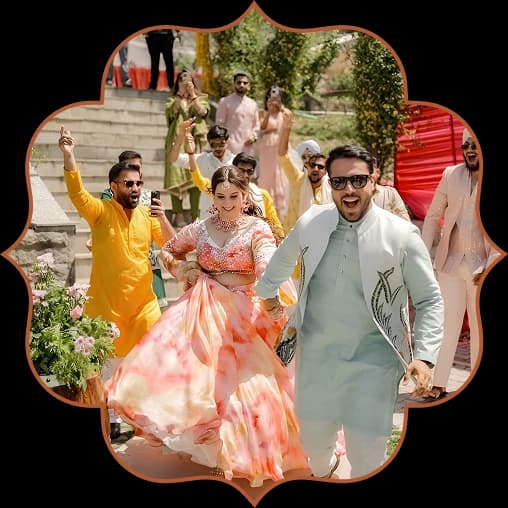
Ever been a part of an Indian wedding? Then you already know it's never really one event. It's ten smaller ones squeezed into three chaotic days, and somewhere in the middle 200 people are asking you questions at the same time. Now imagine the venue is booked and the vendors are sorted, but nobody is actually in charge of holding it all together on the day. That gap is exactly where the wedding planner vs wedding coordinator confusion starts. Put simply, a planner looks after the whole planning journey, while a coordinator runs a plan that's already in place. Every package is a bit different though, so check what's included before you sign anything.
A wedding planner can define the entire experience, from your budget to your look. A wedding coordinator is more about execution, although typically much closer to the wedding date. Some wedding planners include coordinator services so the terms can be interchangeable.
|
Aspect |
Wedding Planner |
Wedding Coordinator |
|
Main role |
Plans and manages the broader wedding |
Organises how the existing plan is carried out |
|
When involved |
Often from the early planning stage |
Usually closer to the wedding |
|
Venue selection |
May research and shortlist venues |
Typically works with the venue you have already booked |
|
Vendor management |
Can source, compare and manage vendors |
Confirms and coordinates the vendors already booked |
|
Budget |
May build and track the budget |
Works within the budget and plan already agreed |
|
Wedding-day role |
Oversees how the overall plan plays out |
Keeps the schedule and logistics moving |
|
Best suited for |
Couples wanting end-to-end or partial planning support |
Couples who have planned most details themselves |
If you've read it phrased as wedding coordinator vs wedding planner, it's the same question. Regardless of what you're calling it, titles aren't universal from one company to another, so in the end it's all about what's written in the scope.
A wedding planner brings the project along with you from the beginning. The Wedding Planner Responsibilities varies on the package but here are the things they usually do:
Budget: Creating the wedding budget and tracking it as they book, so nothing doubles silently.
Venues and Vendors: Shortlisting options so you're not comparing fifty quotes on your own at midnight.
Theme and Design: Creating the visual appeal of the event.
Contracts: Keeping track of vendor contracts and deliverables. That endless back and forth.
Timing: Arranging everything for each of the functions to move smoothly (including the always-late mehendi).
Guest Logistics: The management of accommodation & logistics when the package does include it.
Wedding day: Making sure it all happens and dealing with anything that goes wrong.
A coordinator simply puts the pieces you've already put together into a seamless event. The distinction between the wedding planner versus coordinator services is most obvious here, as a coordinator makes their fee in the details. Some of the most common wedding coordinator duties are:
Schedule Review: Review of the final schedule to identify gaps before they become problems.
Vendor Timing: Make sure to confirm with each team the expected times of arrival and what setup requirements there are.
Transitions: Handling the switch from the previous function to the new one.
Point of contact: All vendors should have a point of contact so that they only call that one point of contact during the coverage.
Problem solving: The challenges of managing surprises which are within their contract.
Full-service planning can be more expensive as the scope is larger and the job is longer. Your co-ordination could be simply the last planning stages and the days leading up to the wedding. That is the typical approach in the wedding co-ordinator vs wedding planner cost argument, but rather than offering set prices, these are what influence wedding planning costs:
Functions: Number of functions and number of event days you want covered.
Scale: The number of guests you expect and the venues that are going to be used.
Location: The place you're headed to, and if you need to go there.
Group: How much of the team on-site you have and how big the team is.
Contract: The specific services included in a contract.
For more insights, check out our blog on the wedding vendor pricing guide.
Regardless of your position on wedding planner vs wedding coordinator, use this checklist for every appointment, whether you're talking with a solo, or with a wedding planner and coordinator. These responses reveal much more than any portfolio ever will.
Inclusions: Which jobs does your package include and exclude?
Availability: Who will be present in person on each wedding day?
Vendors: Will you be handling outside vendors or just your venue staff?
Costs: Does the cost include all activities, breakdown and prepare?
Number of people: How many of your team will be on site?
Backup: How do I avoid vendor delays or schedule changes?
Extras: Do you incur a charge for travel, accommodation, overtime or taxes?
Planner packages: If you plan to hire a planner, does it include wedding-day coordination?
For more insights, you can check out our blog on questions to ask wedding vendors.
Ultimately, the key difference between a wedding planner, wedding coordinator and wedding consultant lies in the scope of services they provide. Ask what “day-of coordination” actually includes to ensure you choose the right professional for your wedding needs. But to make your wedding unforgettable, you need to hire the best destination wedding planners in India. And this is where Destination Wedding Bharat comes in. We help you to plan your wedding and manage the entire wedding process from start to finish. So what are you waiting for? Check out our website and plan your dream wedding today!
Q1 . Do I need a wedding planner if my wedding is at a venue with a coordinator?
It varies what the venue coordinator does. Some cover venue management but not your budget or outside vendors. Others will do everything they can for you but stop short of some functions. Get it all in writing before you compare it to what you still have to do.
Yes. You can hire a day-of coordinator to help run your event even if you have a full wedding team.
Q2 . Can I hire a wedding coordinator if I have already booked all my vendors?
Yes. This is often a suitable situation for coordination, provided the coordinator is willing to take over an already-planned wedding and has enough time to review the details, confirm vendors and prepare the schedule.
Q3 . Does a wedding planner oversee the actual wedding as well?
Most full-service planners will be there the day of your wedding, but not all will be included in a package price. Ask if there will be a different charge for onsite day-of coordination.
Q4 . Can a wedding coordinator be sufficient for destination wedding in India?
Yes, if you have the venue and vendors booked, and all the guest logistics and itinerary organised. But if you still need assistance finding a destination or securing vendors, then more general planning help will be a better fit.
Q5 . What do I do if I've booked most of my wedding but still have a couple big decisions to make?
Inquire about partial planning. It allows you to plan certain items and not have to purchase a full-service package. Contrast its deliverables with what a coordinator does so you don't end up with someone who comes into the picture well after you've made the decisions you need assistance with.
Q6 . Do I need to have a single planner for all the events, or could I have coordinators for each event?
Focus on clearly identified ownership of the master schedule and the vendor handovers. Consider if one team will be able to cover every event or is it necessary to send additional on-site crew.
It varies what the venue coordinator does. Some cover venue management but not your budget or outside vendors. Others will do everything they can for you but stop short of some functions. Get it all in writing before you compare it to what you still have to do.
Yes. You can hire a day-of coordinator to help run your event even if you have a full wedding team.
Yes. This is often a suitable situation for coordination, provided the coordinator is willing to take over an already-planned wedding and has enough time to review the details, confirm vendors and prepare the schedule.
Most full-service planners will be there the day of your wedding, but not all will be included in a package price. Ask if there will be a different charge for onsite day-of coordination.
Yes, if you have the venue and vendors booked, and all the guest logistics and itinerary organised. But if you still need assistance finding a destination or securing vendors, then more general planning help will be a better fit.
Inquire about partial planning. It allows you to plan certain items and not have to purchase a full-service package. Contrast its deliverables with what a coordinator does so you don't end up with someone who comes into the picture well after you've made the decisions you need assistance with.
Focus on clearly identified ownership of the master schedule and the vendor handovers. Consider if one team will be able to cover every event or is it necessary to send additional on-site crew.