Sangeet Ceremony Guide: Planning, Rituals, Timeline, Songs & Everything You Need to Know

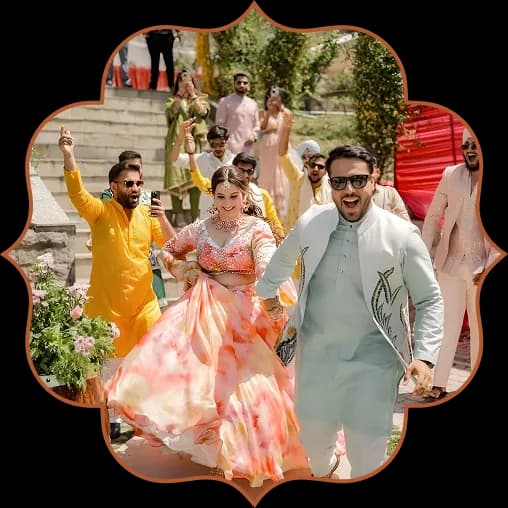
Somewhere between the henna drying on your hands and the wedding day itself, there’s one night everyone counts down to: the Sangeet. And then their families loosen up on the dance floor. The cousins dance choreographed routines they’ve rehearsed in secret for weeks, and the couple sees two families unite before the nuptials even get under way.

But there are other songs and vibes. The production is small-scale, and much of what makes a Sangeet memorable is how pacing, sound and timing are managed before the guests arrive. This list has everything you need to know about getting ready for practically anything, whether you’re throwing a cozy dinner party in your living room or a grand soiree at a full-service resort: the format, the invitations, the guest list, the music, the decor, the budget and a realistic timeline.


What is a Sangeet, anyway?

In case you don’t have time, this is what it looks like. A Sangeet is a pre-wedding party focused on music and dance performances by the couple, relatives, and friends. Less ritual, more fun, a little like a talent show combined with a family reunion, with a dance floor attached. 


A typical night runs something like this:


  • Guest arrival, where welcome and seating happen while music sets the mood.
  • An opening act, usually the host or the couple, that warms things up.
  • Family performances from both sides, often the emotional core of the night.
  • A couple performance, could be a dance, a story, or a surprise.
  • Games or short interactive bits to break things up.
  • Open dancing once the scripted stuff wraps.
  • Dinner, usually landing alongside or right after the main acts.
  • A high-energy closer to send everyone off.


What Is a Sangeet Ceremony, Anyway?


Sangeet literally means “sung together.” That’s really the whole idea. It’s one of the more anticipated functions in an Indian wedding because it skips the formality other ceremonies carry:


  • Music drives the evening instead of sitting in the background.
  • Dance is how families actually show their excitement.
  • Performances run warm, sometimes a little competitive between sides.
  • No religious rites at all, which is a big part of why it feels looser.


There’s no fixed format either. Some stay small, living room, close family only. Others go all out with a full stage and lighting rig for hundreds of guests. Both work fine. A modern Sangeet ends up being whatever the couple wants, as long as music and family stay at the centre.


Modern Sangeet Ceremony vs Traditional Sangeet Ceremony

Here is a difference between modern sangeet ceremony vs traditional sangeet ceremony:


Earlier Sangeet TraditionsModern Sangeet Trends
Family-led performancesProfessionally choreographed acts
Simple stage setupFull-scale production setup
Mostly family songsBollywood tracks + curated playlists + family songs
Informal hosting by family membersHired professional emcee
Minimal sound and lightingProfessional sound and lighting
Basic stage setupLED screens and visual production
Casual, intimate feelPolished and highly produced experience
Heart of the celebration: FamilyHeart of the celebration: Still family, just better lit


Planning a Sangeet Ceremony Step by Step


Once a Sangeet is actually happening, planning comes down to a handful of decisions made early. Get the format, guest list, and wedding venue sorted, and everything else tends to fall into place around those three.


Step 1: Pick a Format

The first step is to pick a format:


  • Close-knit family Sangeet: A scaled-down party at home or at a smaller venue with just close family and friends. 
  • Grand Ballroom Sangeet: For larger guest lists, complete with a stage, seating, professional lighting, sound and usually LED screens. 
  • Open-air Sangeet: Sangeets conducted in gardens, lawns, courtyards or open air venues. 
  • Resort Sangeet: Venues usually manage accommodation, food, decorations and event services, as a package deal.
  • Theme-based Sangeet: The floral décor, costumes, music, stage layout and performances usually match the chosen theme.
  • Performance-heavy Sangeet: Emphasizes heavily on choreographed performances, predictable entries, exits, music cues, and transitions. 
  • Dinner + dance format: A more casual event, with performances interspersed with dinnertime and the music and open dancing afterwards. 


Step 2: Get the Guest List Together


Before booking anything, get a rough headcount since it affects almost every decision after this one. 

  • Close relatives: Parents, siblings and other close family members can comprise the core of most groups. 
  • Extended family: Cousins, aunts and uncles and even close family friends might want to participate in a group act of their own. 
  • Friend groups: College friends, school friends and colleagues frequently perform some of the largest and most frenzied dance numbers. 
  • Wedding party: Bridesmaids, groomsmen and other members of the wedding party often double as performers. 
  • Kids: Kids can bring a fun and unforgettable element to Sangeet but their acts should largely be quick and simple. 
  • Senior guests: Grandparents and older relatives might not take part in performances but they should be accounted for when selecting the venue. 


Step 3: Sort the Venue


It comes down to your format, your attendee count, and how much risk you’ll take on with the weather.

  • Indoor ballroom: A ballroom provides the most flexibility for the event, with no weather worries and the availability of professional lighting, sound, staging and seating. 
  • Lawn: A lawn offers a lovely, airy backdrop and you can fit large performances, as well as seating for guests and decorations. 
  • Resort courtyard: A courtyard provides a naturally beautiful backdrop that each requires less additional decoration.
  • Soon there after: Banquet halls are convenient in “day of the wedding” co-ordination, since catering, furniture, lighting, and even the basic staging can be often provided through the same space. 


How Many Sangeet Performances?


The count matters less than people think. What actually drives it:


  • Number of families performing
  • Overall event duration
  • Length of each individual act
  • Whether a choreographer’s involved (usually means fewer acts, more polish)


A tight show with real coordination beats a packed one basically every time. Six well-rehearsed acts over fourteen rushed ones, no contest.


Who Actually Performs?


On the bride’s side, parents usually open with a welcome act, siblings bring the early energy, cousins tend to be the biggest and most rehearsed group, and friends add something more personal.


The groom’s side mirrors most of that: parents match the welcome, siblings go playful and a little competitive, cousins often turn theirs into a face-off with the bride’s cousins.


Beyond the two families:


  • The couple like a solo, duet, story of how they met, or a full surprise act.
  • Bridesmaids and groomsmen, who usually fold into the friend group’s number.
  • Kids, who steal the show basically no matter what.
  • Grandparents, who occasionally show up with something short and sentimental.


Whatever the lineup, it should come from people wanting to be up there, not obligation.


Performance Ideas


  • Family: Welcome routine, generational dance, bride-vs-groom face-off.
  • Couple: Story-of-us piece, recreating how you met, Bollywood medley, duet.
  • Friends: Group dance, friendship-themed act, comic bits, a roast that’s also a tribute.


Structuring the Order


Pacing is what separates a Sangeet people talk about from one they just sit through. Don’t cluster every high-energy act back to back.


  • Open strong
  • Alternate between the two families so the spotlight keeps moving
  • Bring in friends and an interactive segment
  • Save the couple’s act for later
  • Close with a family finale that rolls into open dance


How Long Should It Run?


No fixed number here. Depends on performance count, dinner format (seated takes longer than a buffet), entertainment built in, who’s in the crowd, and any cutoff the venue enforces. What matters more than runtime is whether it stays engaging. A three-hour Sangeet that keeps people involved beats a ninety-minute one that goes flat by the halfway mark.


A Sample Timeline


  • 6:30 PM: Guests arrive, seated as music sets the tone
  • 7:15 PM: Welcome and opening act
  • 7:30–8:40 PM: Family and friends’ performances
  • 8:40 PM: Couple’s performance
  • 9:00 PM: Open dance and entertainment pick up
  • 9:30 PM: Dinner, usually alongside continued dancing
  • 10:15 PM onward: Finale or extended open dance


The Playlist


  • Couple’s must-play songs, the ones that mean something to the two of them
  • Tracks chosen with whoever’s performing to each one
  • A mix of Bollywood, regional, retro, and current hits
  • A few slower songs for couple moments


Need actual song ideas instead of planning advice? Our Sangeet dance songs guide covers that.


DJ or Live Band


A DJ brings a big library, easy transitions, and reliable cues, good for performance-heavy nights with tight choreography. A live band brings real energy and better crowd interaction, though that depends on how deep their setlist goes. Want something free-flowing rather than exact, unchanging tracks? Band’s usually the better call.


More on this in our Wedding DJ vs Live Band guide.


Décor and Stage


  • Stage backdrop, seating, dance floor, and lighting do most of the visual work
  • Florals, LED screens, and signage add character without taking over
  • A couple of photo spots give guests somewhere to gather between acts


Stage and Technical Setup


Easy to overlook until something actually breaks mid-performance.


  • Test mics and speakers ahead of time, not just on the day
  • Check lighting and screens match each segment’s mood
  • Have backup power ready, especially outdoors
  • Run an actual technical rehearsal with performers and the sound team
  • Give performers clear entry and exit points


Food and Drinks


  • Passed starters for performance-heavy events
  • Buffet for a bigger crowd
  • Food stations for something interactive
  • Plated dinner for something formal
  • Late-night snacks if the dancing runs late


Games and Interactive Bits


Sangeet GamePurpose
Couple triviaFun questions about the couple
Family quizInvolves family members and tests how well they know the couple
“Who Knows the Couple Better?”A competitive game between friends and family
Bride-vs-Groom challengesCreates playful competition between both sides
Musical or audience gamesKeeps guests engaged and fills gaps between performances


Keep it short enough that it doesn’t kill the momentum.


Destination Wedding Sangeets


For a destination Sangeet, the night stops being just another item on the schedule. It becomes part of the whole guest experience, tied into travel, accommodation, and the rest of the wedding weekend. Destination Wedding Bharat handles the planning past décor and performances, into the logistics that actually hold it all together.


Indoors or Outdoors


Neither really wins outright. Comes down to how much you value control versus scenery, and how much weather risk feels okay.


Indoor SangeetOutdoor Sangeet
Lower weather riskHigher weather risk
Easier technical setupMore complex technical setup
Simpler backup planningBackup planning is essential
Sound restrictions may depend on the venueSound restrictions are usually more important
Controlled environmentMore atmosphere and natural scenery
Easier to manage production and logisticsRequires more planning for weather, sound and setup


Destination weddings especially can’t skip the weather contingency. Outdoor trades predictability for the view. Indoor trades the view for predictability.


Sangeet Budget: Where Should You Spend?


Exact figures shift wildly by city, venue, and vendor, so categories work better than chasing numbers:


  • Venue, décor, entertainment, choreography, basically the core costs behind any Sangeet.
  • Sound and lighting, stage, the technical backbone everything else runs on.
  • Food, photography, emcee, and technical production, which round out the guest experience.


Where you actually weight the spend depends on what the night’s about for you. Maybe it’s the performances themselves. Maybe you want that theatrical production feel, or the visual side matters more, or the food’s elaborate enough to basically double as the wedding dinner.


Planning Mistakes to Avoid


A few recurring slip-ups catch even well-organized couples off guard. They look minor on paper but tend to snowball on the actual night.

  • Option overload, or tired options: Guests and performers alike can get fatigued too easily.
  • No rehearsal schedule or last-minute song swaps: These are often the cause of unpredictable transitions on stage.
  • Bad visibility of the stage: The audience can become impatient if they are sat in the back and cannot properly see the show.
  • Disregarding the venue sound limitations: This may end up with an unplanned shutdown in the middle of the event.
  • No plan B for an outdoor soirée: A change in the weather pattern could knock the entire evening off track.
  • Not including the DJ or band: With no shared run sheet, missed cues are more likely.
  • Not passing timeline to vendors: This causes confusion when you need everyone to be on the same page.
  • Packing the night with too much: When there are too many activities, there is not enough breathing room for the guests.
  • Dining too late: This sets the whole schedule backing up and everyone getting tired. 


Planning Timeline, Roughly a Month Out


Whether you’re starting three months ahead or catching up late, here’s how the pacing usually goes:


  • 8–12 weeks before: Lock the concept, book venue and entertainment, settle on performances.
  • 6–8 weeks before: Choreography underway, music finalized, décor and stage confirmed.
  • 3–4 weeks before: Rehearsals start, event schedule locked, vendors confirmed.
  • 1–2 weeks before: Full rehearsal, technical details sorted, final guest communications sent.
  • Event day: Sound checks, stage checks, performer briefings, timeline coordination.


Conclusion


A spectacular Sangeet has nothing to do with how large (or small) the stage is or how many groups perform. It’s just a well-paced evening where everyone realistically gets to have fun and not just perform and sit themselves down. Nail down the format, guest list and venue early, vary the order and think of music, décor and technical setup as one production — rather than three separate to-dos. It doesn’t matter if it is a living-room party or a destination Sangeet that gets all your family and friends, because the couples who get a little advance preparation are the ones who find themselves twirling on the dance floor at their own party with arms outstretched, not running it on the sidelines. But to turn your sangeet into a slick, high-octane production, you need to bring in the best destination wedding planners in India. And this is where Destination Wedding Bharat comes in. We help you orchestrate the overarching theme, stage and sound production and minute-by-minute event cues. So what are you waiting for? Visit our website and plan your wedding today!  


FAQs


Q1 . What usually happens at a Sangeet ceremony? 

Music and dance performances from the couple, family, and friends, plus entertainment, food, and open dancing. The exact format really depends on family tradition and personal taste.


Q2 . How many performances should a Sangeet have? 

The quantity of guests, the duration of the show and length of each act are more important than any fixed number. A short run of glossy acts will usually trump a long, monotonous one.


Ready to Plan Your Destination Wedding?

Tell us About Your Event